The Details That Define Luxury Wedding Design
Luxury wedding design is not simply about choosing expensive décor or filling a venue with elaborate installations. It is about creating a thoughtful, harmonious environment in which every element feels intentional. From the texture of the table linens to the way flowers frame the ceremony, the smallest details can influence how a wedding looks, feels and is remembered.
A beautifully designed wedding reflects the couple’s personality while creating a comfortable and inviting experience for their guests. Achieving that balance requires a clear creative direction, a considered selection of materials and a consistent approach to styling throughout the celebration.
Start With a Clear Creative Direction
Every successful design begins with a vision. Before selecting individual decorative elements, consider the mood the couple wants to create. The celebration might feel romantic and timeless, modern and architectural, or relaxed and inspired by nature.
Collecting visual references can help identify recurring colors, textures, shapes and floral styles. These references should form the foundation of a design concept rather than a collection of unrelated ideas.
A consistent direction makes it easier to select furniture, stationery, flowers, lighting and tableware. It also helps the different suppliers understand how their contributions should work together.
Choosing a Refined Color Palette
Color influences the atmosphere of an event and connects the various design elements. Soft ivory, warm beige, muted green and delicate blush tones can create a timeless aesthetic. Deeper shades, such as burgundy, forest green or midnight blue, may introduce a more dramatic and contemporary character.
The venue should influence the palette. Existing architectural features, wall colors, flooring and natural surroundings can all affect how colors appear in the finished space.
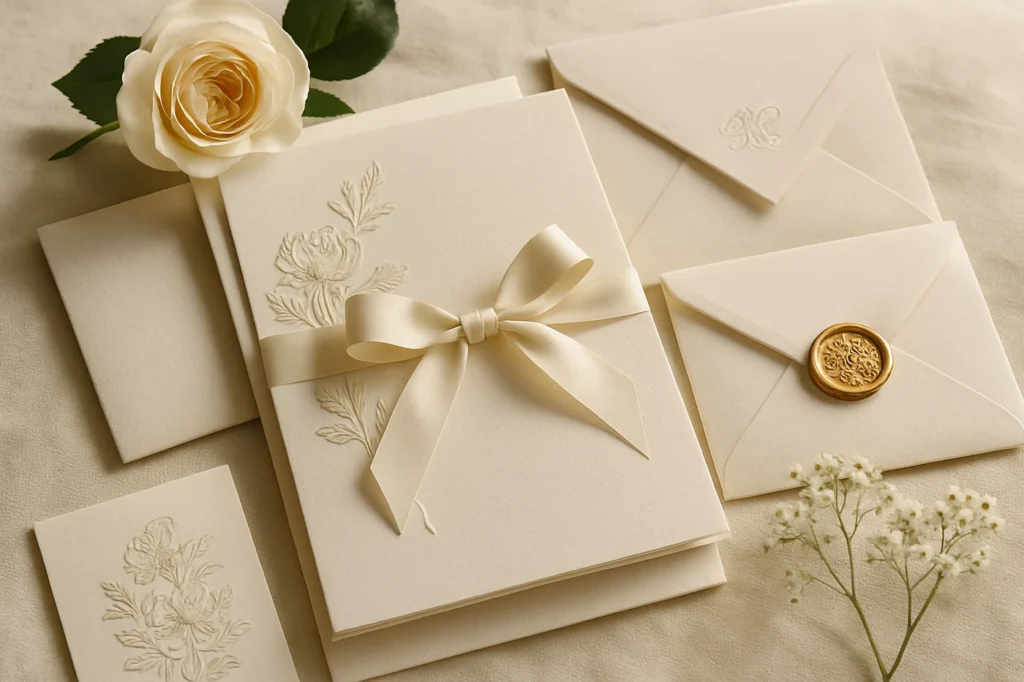
Rather than introducing too many competing shades, choose a small group of complementary colors and repeat them throughout the celebration. Invitations, floral arrangements, linens and decorative accents can each reinforce the same visual identity.
The Importance of Texture and Materials
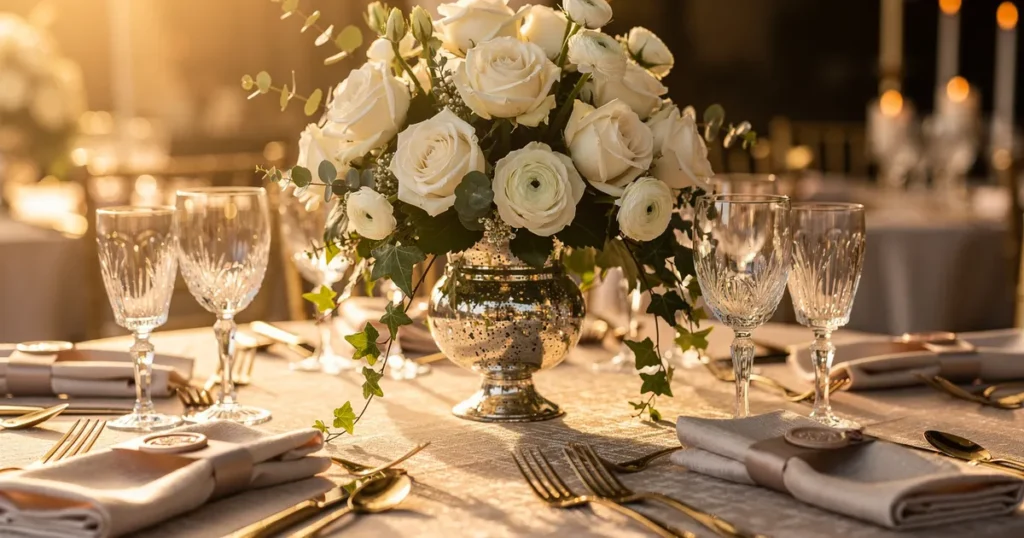
Texture adds depth to a design without requiring excessive decoration. Fine linens, textured stationery, natural wood, polished metal, crystal glassware and delicate fabrics can create a layered environment that feels sophisticated.
Contrast is especially effective when it is used with restraint. Smooth glassware against soft linen, structured furniture beside organic flowers, or metallic details paired with natural materials can make a setting feel visually interesting.
The quality and condition of these materials matter. Well-maintained linens, carefully arranged place settings and clean glassware contribute to a polished result, even when the overall styling is intentionally minimal.
Floral Design With Purpose
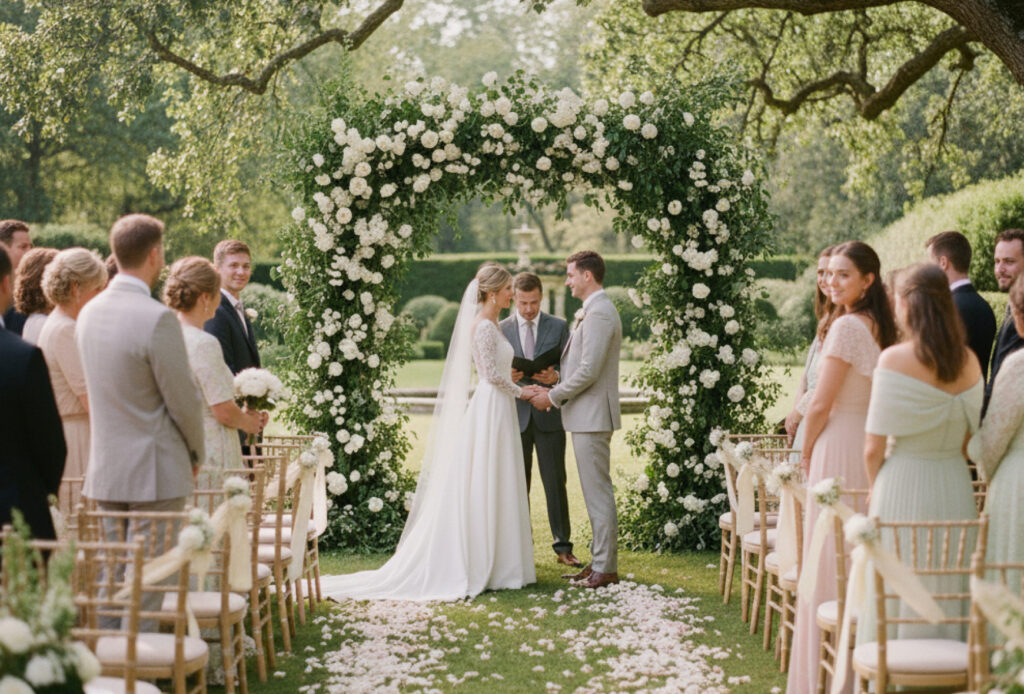
Flowers are often among the most memorable features of a wedding. They can frame the ceremony, introduce color to the reception and connect different areas of the venue.
A strong floral concept considers scale, seasonality, proportion and placement. A dramatic installation may work beautifully in a large ceremony space, while smaller arrangements may suit an intimate dinner more naturally.
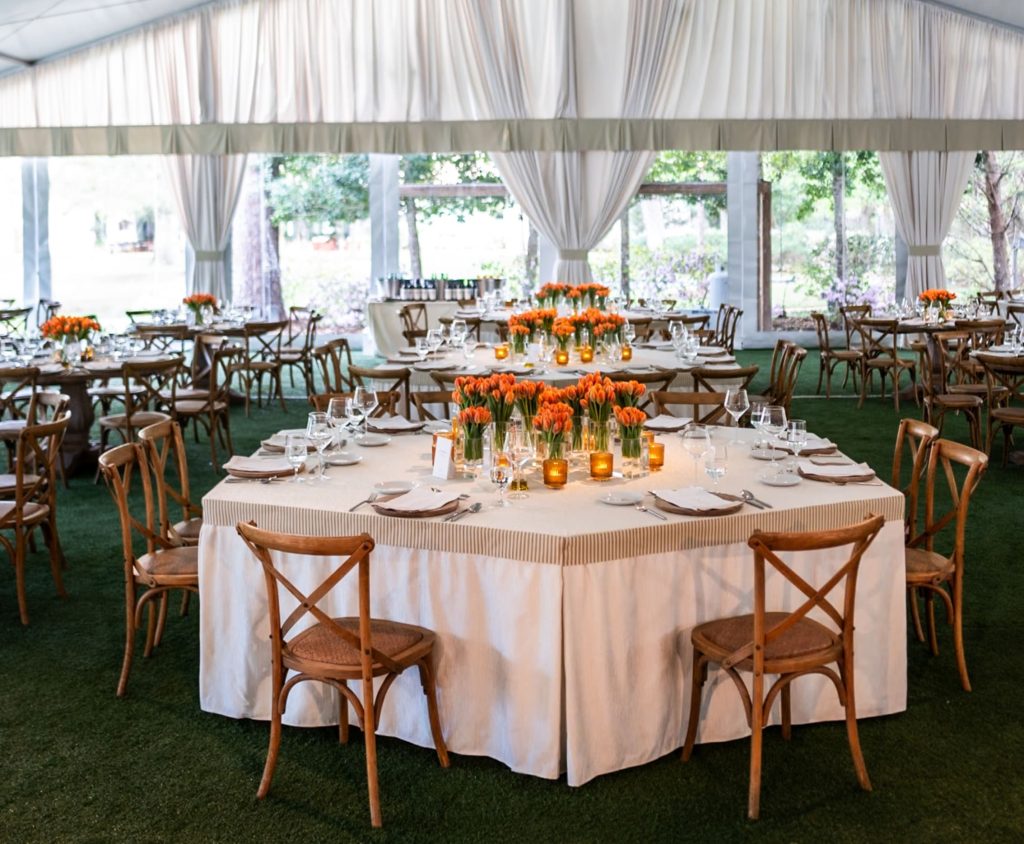
Reception centerpieces should complement the table dimensions and allow guests to see one another comfortably. Repeating selected flowers or greenery across the ceremony and reception helps the design feel connected without requiring every arrangement to be identical.
Seasonal choices and the venue’s existing landscape can also inspire a more natural and cohesive result.
Creating Beautiful Tablescapes
The dining table is one of the most detailed areas of a wedding design. Guests spend a significant part of the celebration there, making the arrangement an important part of the overall experience.
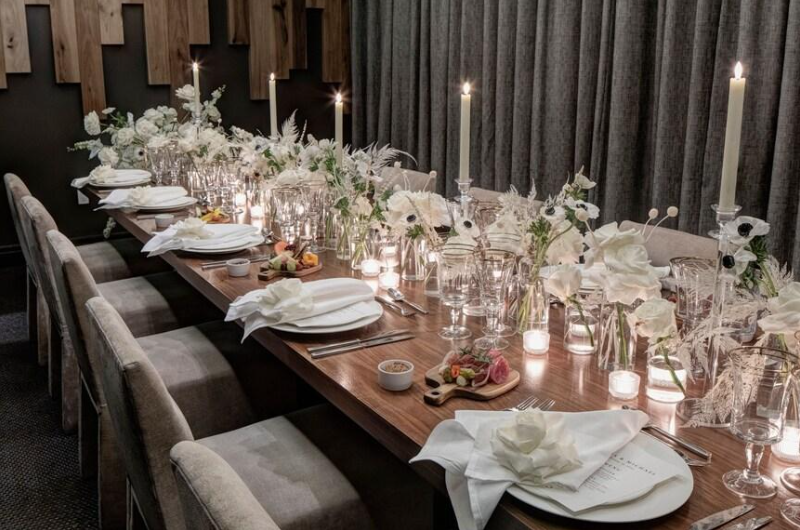
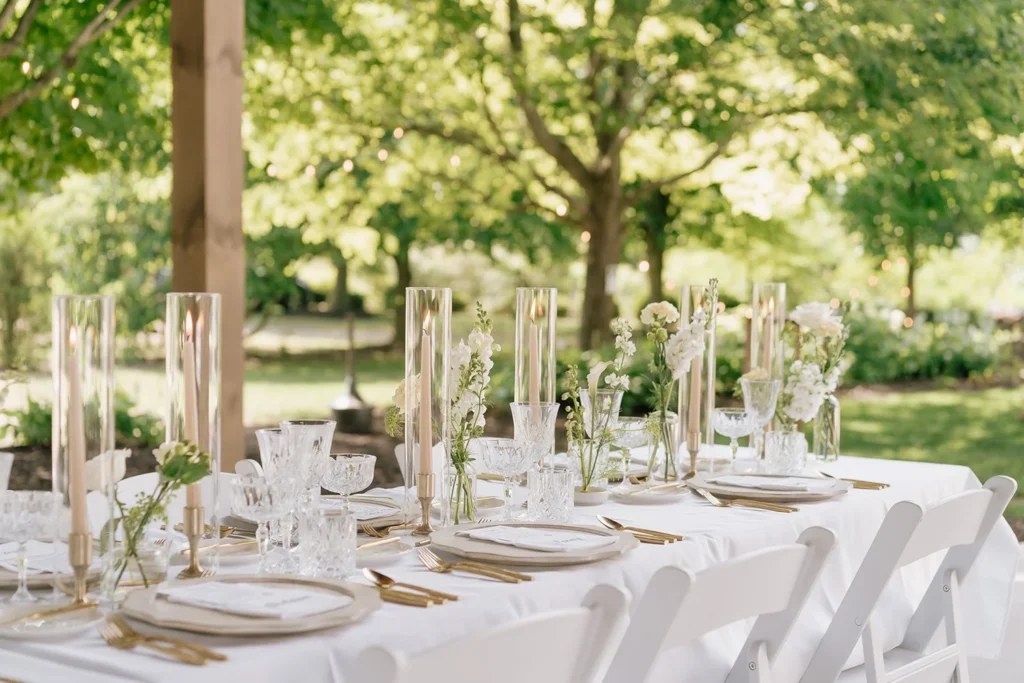
Start with the foundation: linens, place settings, glassware and cutlery. Then consider the placement of menus, name cards, flowers and candles. Each item should have enough space to remain functional while contributing to the visual composition.
Varying the height of floral arrangements and candles can introduce depth, but balance is essential. Guests should be able to converse easily, and serving staff should have enough room to work efficiently.
Thoughtful tablescaping brings together beauty and practicality, ensuring that the dining experience feels as good as it looks.
Using Lighting to Shape the Atmosphere
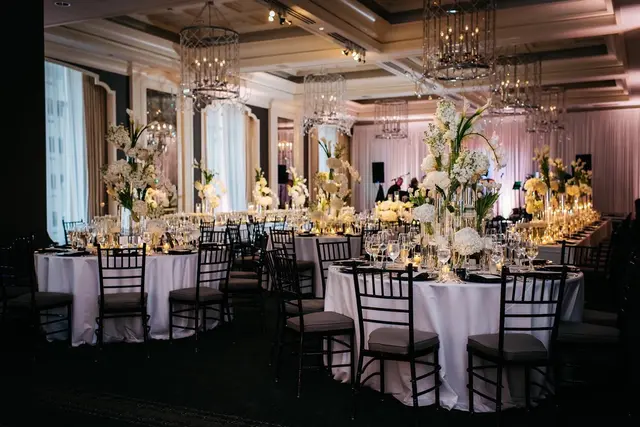
Lighting affects color, texture, photographs and the overall mood of a wedding. Soft ambient illumination can make a reception feel intimate, while carefully directed accent lighting can highlight architecture, floral installations or a focal point.
A lighting plan should consider the progression of the day. Natural light may define the ceremony, while warmer decorative lighting can create a different atmosphere as the evening develops.
Candles, lanterns, suspended lights and discreet architectural lighting can all contribute to the design when used appropriately for the venue. Safe placement, practical access and sufficient illumination should remain priorities.
Personal Details That Tell a Story
A luxury wedding should feel personal rather than interchangeable. Meaningful stationery, family heirlooms, photographs, favorite flowers or a menu inspired by a shared memory can introduce individuality without disrupting the overall aesthetic.
Personalization is most effective when it feels integrated into the design. Instead of adding too many decorative messages or unrelated features, select a few details that genuinely reflect the couple.
These elements often become the features guests remember because they connect the visual experience to the people being celebrated.
Bringing the Complete Design Together
The strongest wedding designs are consistent from beginning to end. Invitations introduce the aesthetic, the ceremony establishes the mood, the reception extends the story and the lighting carries the atmosphere into the evening.
Achieving this result requires collaboration between planners, florists, rental suppliers, lighting specialists and venue teams. Clear communication ensures that each element supports the same creative direction.
Ultimately, luxury is expressed through thoughtful decisions, balanced proportions and attention to the guest experience. When every detail has a purpose, the celebration feels cohesive, timeless and unmistakably personal.