Designing the Perfect Destination Wedding
A destination wedding brings together the emotion of a wedding celebration and the excitement of experiencing a new place. Whether the setting is a coastal retreat, a historic estate, a countryside villa or a luxurious resort, the destination becomes an important part of the couple’s story.
Planning a wedding away from home introduces additional considerations, from travel and accommodation to local suppliers, weather and guest communication. With a clear vision and a well-organized approach, these practical details can be managed without losing sight of the experience that makes a destination celebration so special.
Finding a Destination That Reflects Your Story
The best destination is one that feels meaningful to the couple and works for the people attending. Consider the atmosphere you want, the season, travel connections, accommodation options and the types of experiences available nearby.
A seaside location may create a relaxed and romantic atmosphere, while a historic property can offer architectural character and timeless elegance. A countryside retreat may suit couples seeking privacy and a closer connection to nature.
Before making a final decision, research the local climate, accessibility, venue restrictions and legal requirements. Understanding these factors early helps avoid choosing a location that looks beautiful but creates unnecessary complications.
Building a Realistic Planning Timeline
Destination weddings often require earlier decisions than celebrations held close to home. Guests need time to arrange travel, request leave and organize accommodation, while the couple must coordinate suppliers who may operate in another region or country.
Begin by confirming the venue, approximate guest count and wedding date. Establish the main budget categories, including travel-related expenses, accommodation, catering, décor, photography and any additional events.
Create a timeline for major decisions and communicate important dates clearly. Early planning allows more flexibility when comparing options and provides time to resolve logistical questions before they become urgent.
Making Travel and Accommodation Easier for Guests
A destination wedding is also a travel experience for guests. Clear, organized information helps them prepare confidently and enjoy their time away.
Provide practical details about nearby airports, transport options, recommended accommodation and estimated travel times. If several events are planned, include the schedule and dress guidance so guests know what to expect.
Consider whether group transport would make arrival and departure easier. For larger gatherings, coordinating transfers between accommodation and event venues can reduce confusion and help everyone arrive on time.
Guest communication should remain clear and timely. A dedicated wedding information page or digital guide can keep essential details in one place.
Designing Around the Destination
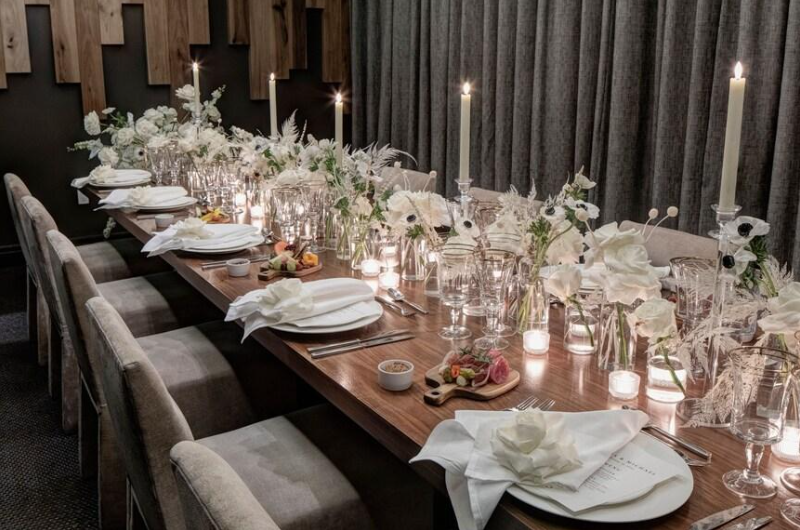
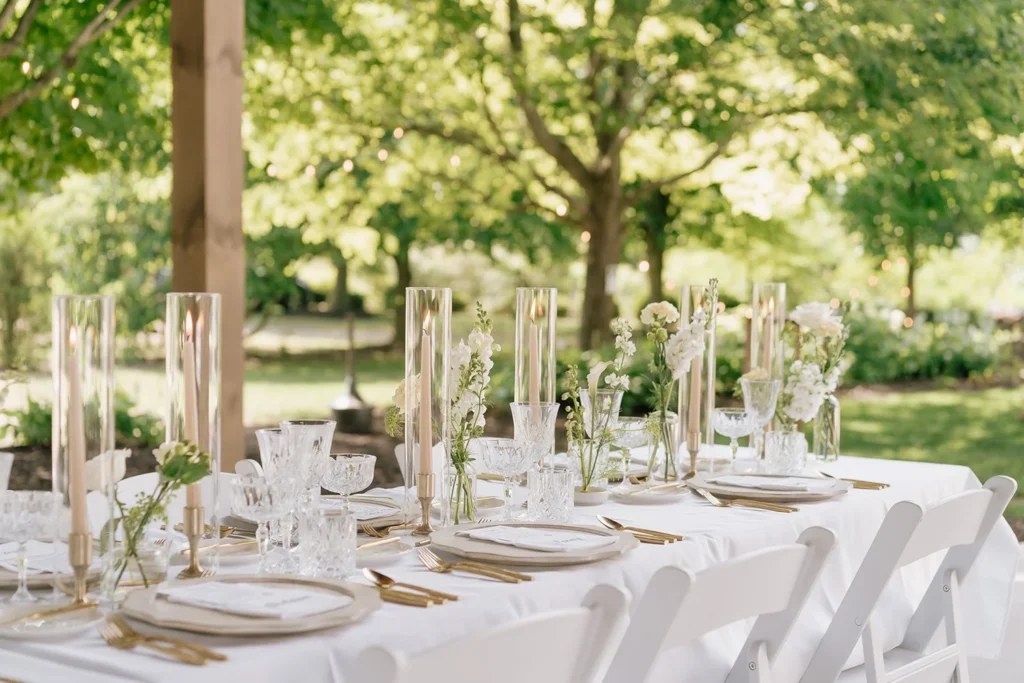
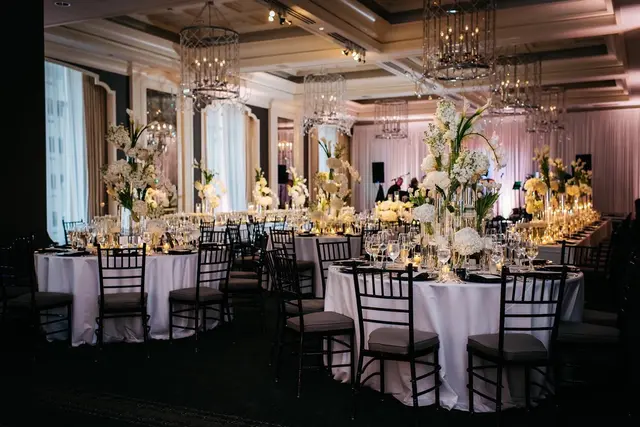
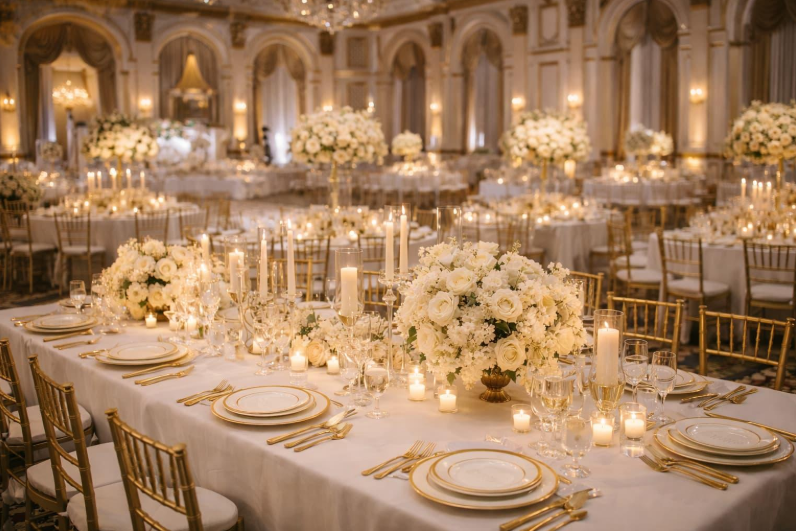
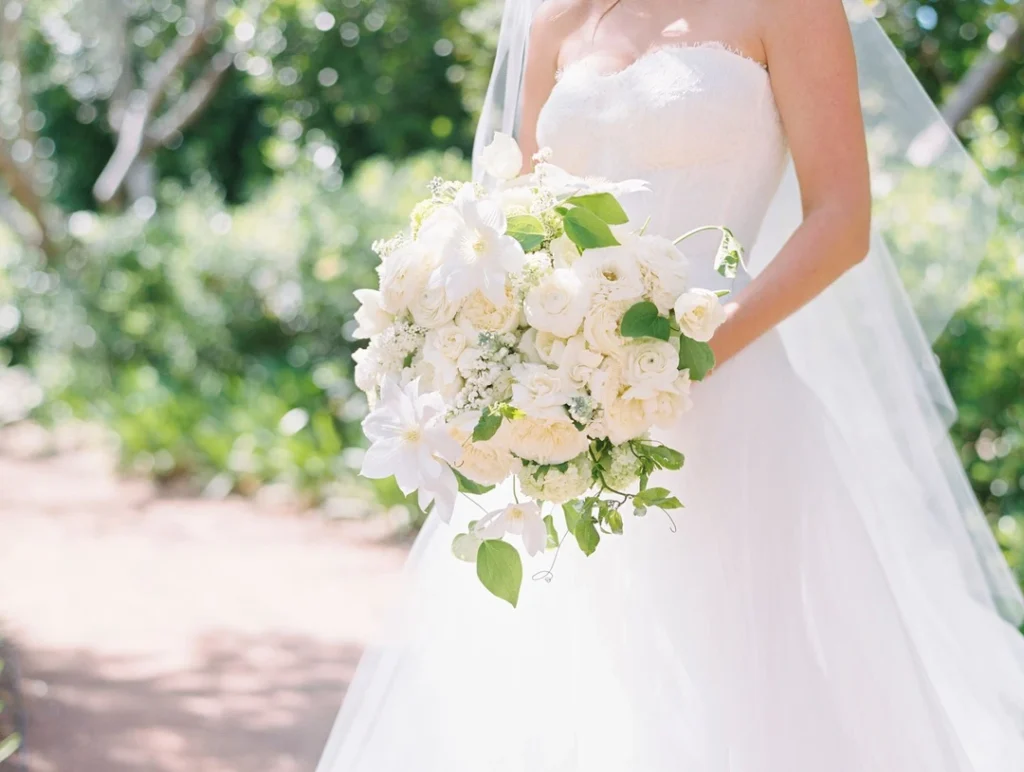
The setting should inspire the wedding design rather than simply serve as a backdrop. A coastal celebration might incorporate light fabrics, organic flowers and a palette influenced by sand and sea. A historic estate could suit more structured arrangements, classic stationery and rich natural textures.
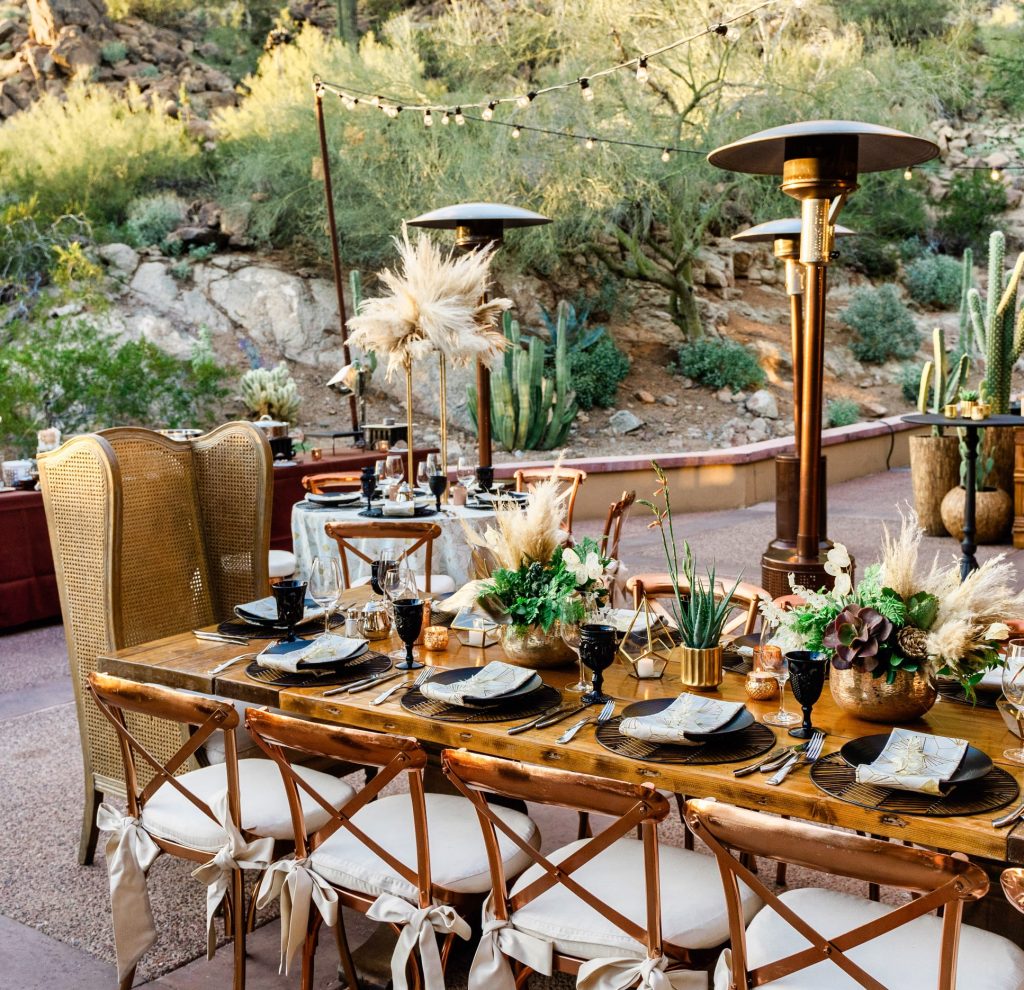
Consider the local landscape, architecture and season when choosing decorative elements. Designs that respond to their surroundings often feel more authentic and visually harmonious.
Practicality remains essential. Wind, heat, humidity and outdoor surfaces can affect flowers, table settings, fabrics and equipment. Work with local professionals who understand the environment and can recommend appropriate solutions.
Planning a Multi-Day Celebration
One of the advantages of a destination wedding is the opportunity to spend more time with guests. Instead of concentrating everything into a single day, couples can create a series of connected experiences.
A welcome gathering offers guests a relaxed opportunity to meet before the wedding. The ceremony and reception form the central celebration, while a farewell brunch or informal meal can provide a gentle conclusion.
Each event should have its own character while remaining part of a coherent overall experience. Not every activity needs elaborate styling; a simple gathering can be just as meaningful when it gives guests time to connect.
When planning several events, allow enough time for rest, travel and personal exploration. A balanced itinerary ensures that the celebration feels enjoyable rather than exhausting.
Working With Local Suppliers
Local suppliers bring valuable knowledge of the venue, seasonal conditions, regional materials and practical requirements. Florists, caterers, photographers, transport providers and production teams can help translate a creative vision into a workable plan.
Review portfolios, clarify services and confirm the details of each agreement in writing. Discuss delivery arrangements, setup times, contingency plans and communication procedures before the event.
If some planning is managed remotely, maintain a shared timeline and a reliable record of decisions. Clear responsibilities reduce misunderstandings and help the team coordinate effectively across different locations.
Preparing for Unexpected Changes
Even the most carefully planned destination wedding needs flexibility. Weather, travel delays, supplier availability and changes to guest numbers can all affect arrangements.
Consider alternatives for outdoor ceremonies, protect important equipment and establish a clear process for communicating schedule changes. Keep essential contacts and event information accessible to the people responsible for coordination.
Contingency planning is not about expecting problems; it is about creating confidence that the celebration can continue smoothly if circumstances change.
Creating an Experience That Lasts Beyond the Day
A destination wedding offers more than a beautiful ceremony. It creates shared memories through the setting, the people, the local experiences and the time spent together.
When travel arrangements, thoughtful design and event coordination work in harmony, couples can enjoy the destination alongside their guests rather than becoming absorbed in logistics.
The perfect destination wedding is not defined by distance or extravagance. It is defined by a meaningful setting, a cohesive experience and a celebration that reflects the couple’s story from the first arrival to the final farewell.