Private Dinner

The Beauty of an Intimate Private Dinner

An intimate private dinner offers a different kind of luxury. Rather than focusing on the scale of an event, it creates an opportunity to bring people together in a setting where hospitality, conversation and thoughtful details take center stage.

Whether it is a special anniversary, a family gathering, a private celebration or an exclusive dinner with valued guests, the experience should feel considered without becoming overly formal. Every element, from the seating arrangement to the final course, contributes to an atmosphere that encourages guests to relax and enjoy the occasion.

The beauty of a private dinner lies in the details. A carefully prepared menu, beautiful tableware, fresh flowers and warm lighting can turn an ordinary meal into an evening that feels genuinely special.

Choosing the Right Setting

The setting determines the character of a private dinner. A private dining room offers a controlled and comfortable environment, while a garden terrace or outdoor courtyard can create a more relaxed atmosphere.

For smaller gatherings, a home or private residence may offer a particularly personal experience. A larger dinner may benefit from a dedicated venue with suitable catering facilities and enough space for guests to move comfortably.

Consider the number of attendees, the purpose of the evening, available facilities and the desired level of formality. The ideal setting should support conversation and hospitality without making the event feel crowded or impersonal.

Practical considerations such as parking, accessibility, restrooms and service areas should be addressed early. When these details are handled well, guests can focus on enjoying the evening.

Designing an Elegant Tablescape

The dining table is the natural focal point of a private dinner. Its design should feel beautiful and inviting while remaining practical for the meal itself.

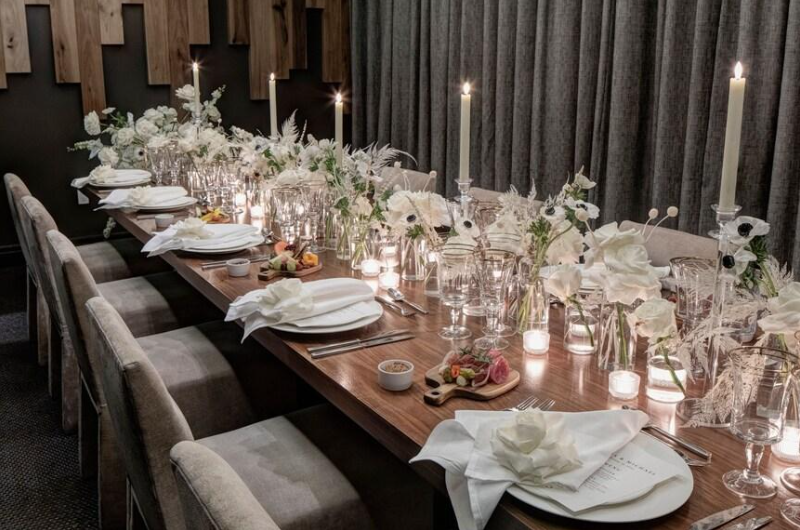
Start with quality linens, coordinated dinnerware, polished cutlery and suitable glassware. Add place cards, menus, candles or floral arrangements where appropriate. The combination should feel cohesive rather than overly elaborate.

Texture can create visual interest without requiring excessive decoration. Soft linen, clear glass, delicate ceramics, natural foliage and subtle metallic accents can work together to create a sophisticated atmosphere.

Spacing is essential. Each guest needs enough room to dine comfortably, and the arrangement must accommodate serving dishes, beverages and the natural flow of conversation. An elegant table is one that functions as beautifully as it looks.

Creating the Right Lighting and Atmosphere

Lighting has a powerful influence on how a private dinner feels. Bright overhead lighting may be practical for preparation, but softer illumination is often more inviting once guests arrive.

Candles, warm table lamps and discreet accent lighting can create a sense of intimacy. If the dinner takes place outdoors, ensure that pathways, steps and service areas remain sufficiently illuminated.

Music can also contribute to the atmosphere. A carefully selected background playlist or gentle live performance can complement the setting without interrupting conversation.

The overall aim is to create an environment that feels comfortable and natural. Guests should be able to hear one another easily, move around without difficulty and enjoy the occasion at their own pace.

Planning a Thoughtful Menu

Food is central to the private dining experience. A well-designed menu should reflect the occasion, the season and the preferences of the guests.

Consider whether a multi-course dinner, family-style meal or carefully curated sharing menu would best suit the atmosphere. Each format offers a different balance between formality and interaction.

Dietary requirements should be collected in advance and communicated clearly to the catering team. Menu choices should also consider the timing of each course, the availability of ingredients and the practical needs of the kitchen.

Presentation matters, but the food should remain enjoyable and appropriate to the occasion. A thoughtfully prepared dish served at the right temperature contributes more to the experience than an elaborate presentation that compromises comfort or timing.

The Importance of Thoughtful Hospitality

Personalized hospitality is one of the defining features of a successful private dinner. Guests should feel welcomed from the moment they arrive and comfortable throughout the evening.

A warm greeting, a well-organized seating plan and attentive service can make a significant difference. If guests do not know one another well, thoughtful introductions and seating arrangements can help conversations develop naturally.

The host should also be able to enjoy the event. Planning service requirements and responsibilities in advance reduces the need to manage practical tasks during dinner.

Small gestures, such as remembering a guest’s preference or providing clear information about the menu, can make the experience feel personal without becoming intrusive.

Planning the Flow of the Evening

A private dinner benefits from a relaxed structure. Allow time for arrivals and welcome drinks before moving into the meal. Each course should be paced comfortably, with enough flexibility for conversation and any planned speeches or special moments.

Avoid overcrowding the schedule. The appeal of an intimate dinner often comes from the opportunity to spend meaningful time together without the pressure of a tightly packed programme.

Coordination between the kitchen, service team and host is important. Clear timings help ensure that food arrives smoothly and that any special elements are introduced at an appropriate moment.

Personal Touches That Make the Evening Unique

Personalization can make a private dinner feel distinctive. Custom menus, handwritten place cards, seasonal flowers or a carefully chosen playlist can reflect the host’s personality and the reason for the gathering.

For a milestone occasion, photographs or a short toast may add a meaningful dimension. For a business dinner, understated branding and a thoughtful seating plan can support professional relationships while maintaining an elegant atmosphere.

The most effective personal touches are those that feel relevant to the people attending. They should enhance the experience rather than distract from the purpose of the gathering.

Bringing Everything Together

A memorable private dinner is the result of thoughtful design, considered food and warm hospitality. The setting provides the foundation, the tablescape establishes the mood and the service brings the experience to life.

Attention to practical details allows the evening to feel effortless. When guests are comfortable, the food is well timed and the atmosphere encourages conversation, the event can unfold naturally.

Ultimately, a private dinner is about more than a beautifully prepared table. It is about creating a welcoming space where people can connect, celebrate and enjoy time together. With the right balance of planning and personal touches, even a small gathering can become an extraordinary occasion.

Perfect Destination Wedding

Designing the Perfect Destination Wedding

A destination wedding brings together the emotion of a wedding celebration and the excitement of experiencing a new place. Whether the setting is a coastal retreat, a historic estate, a countryside villa or a luxurious resort, the destination becomes an important part of the couple’s story.

Planning a wedding away from home introduces additional considerations, from travel and accommodation to local suppliers, weather and guest communication. With a clear vision and a well-organized approach, these practical details can be managed without losing sight of the experience that makes a destination celebration so special.

Finding a Destination That Reflects Your Story

The best destination is one that feels meaningful to the couple and works for the people attending. Consider the atmosphere you want, the season, travel connections, accommodation options and the types of experiences available nearby.

A seaside location may create a relaxed and romantic atmosphere, while a historic property can offer architectural character and timeless elegance. A countryside retreat may suit couples seeking privacy and a closer connection to nature.

Before making a final decision, research the local climate, accessibility, venue restrictions and legal requirements. Understanding these factors early helps avoid choosing a location that looks beautiful but creates unnecessary complications.

Building a Realistic Planning Timeline

Destination weddings often require earlier decisions than celebrations held close to home. Guests need time to arrange travel, request leave and organize accommodation, while the couple must coordinate suppliers who may operate in another region or country.

Begin by confirming the venue, approximate guest count and wedding date. Establish the main budget categories, including travel-related expenses, accommodation, catering, décor, photography and any additional events.

Create a timeline for major decisions and communicate important dates clearly. Early planning allows more flexibility when comparing options and provides time to resolve logistical questions before they become urgent.

Making Travel and Accommodation Easier for Guests

A destination wedding is also a travel experience for guests. Clear, organized information helps them prepare confidently and enjoy their time away.

Provide practical details about nearby airports, transport options, recommended accommodation and estimated travel times. If several events are planned, include the schedule and dress guidance so guests know what to expect.

Consider whether group transport would make arrival and departure easier. For larger gatherings, coordinating transfers between accommodation and event venues can reduce confusion and help everyone arrive on time.

Guest communication should remain clear and timely. A dedicated wedding information page or digital guide can keep essential details in one place.

Designing Around the Destination

The setting should inspire the wedding design rather than simply serve as a backdrop. A coastal celebration might incorporate light fabrics, organic flowers and a palette influenced by sand and sea. A historic estate could suit more structured arrangements, classic stationery and rich natural textures.

Consider the local landscape, architecture and season when choosing decorative elements. Designs that respond to their surroundings often feel more authentic and visually harmonious.

Practicality remains essential. Wind, heat, humidity and outdoor surfaces can affect flowers, table settings, fabrics and equipment. Work with local professionals who understand the environment and can recommend appropriate solutions.

Planning a Multi-Day Celebration

One of the advantages of a destination wedding is the opportunity to spend more time with guests. Instead of concentrating everything into a single day, couples can create a series of connected experiences.

A welcome gathering offers guests a relaxed opportunity to meet before the wedding. The ceremony and reception form the central celebration, while a farewell brunch or informal meal can provide a gentle conclusion.

Each event should have its own character while remaining part of a coherent overall experience. Not every activity needs elaborate styling; a simple gathering can be just as meaningful when it gives guests time to connect.

When planning several events, allow enough time for rest, travel and personal exploration. A balanced itinerary ensures that the celebration feels enjoyable rather than exhausting.

Working With Local Suppliers

Local suppliers bring valuable knowledge of the venue, seasonal conditions, regional materials and practical requirements. Florists, caterers, photographers, transport providers and production teams can help translate a creative vision into a workable plan.

Review portfolios, clarify services and confirm the details of each agreement in writing. Discuss delivery arrangements, setup times, contingency plans and communication procedures before the event.

If some planning is managed remotely, maintain a shared timeline and a reliable record of decisions. Clear responsibilities reduce misunderstandings and help the team coordinate effectively across different locations.

Preparing for Unexpected Changes

Even the most carefully planned destination wedding needs flexibility. Weather, travel delays, supplier availability and changes to guest numbers can all affect arrangements.

Consider alternatives for outdoor ceremonies, protect important equipment and establish a clear process for communicating schedule changes. Keep essential contacts and event information accessible to the people responsible for coordination.

Contingency planning is not about expecting problems; it is about creating confidence that the celebration can continue smoothly if circumstances change.

Creating an Experience That Lasts Beyond the Day

A destination wedding offers more than a beautiful ceremony. It creates shared memories through the setting, the people, the local experiences and the time spent together.

When travel arrangements, thoughtful design and event coordination work in harmony, couples can enjoy the destination alongside their guests rather than becoming absorbed in logistics.

The perfect destination wedding is not defined by distance or extravagance. It is defined by a meaningful setting, a cohesive experience and a celebration that reflects the couple’s story from the first arrival to the final farewell.

Luxury Wedding Design

The Details That Define Luxury Wedding Design

Luxury wedding design is not simply about choosing expensive décor or filling a venue with elaborate installations. It is about creating a thoughtful, harmonious environment in which every element feels intentional. From the texture of the table linens to the way flowers frame the ceremony, the smallest details can influence how a wedding looks, feels and is remembered.

A beautifully designed wedding reflects the couple’s personality while creating a comfortable and inviting experience for their guests. Achieving that balance requires a clear creative direction, a considered selection of materials and a consistent approach to styling throughout the celebration.

Start With a Clear Creative Direction

Every successful design begins with a vision. Before selecting individual decorative elements, consider the mood the couple wants to create. The celebration might feel romantic and timeless, modern and architectural, or relaxed and inspired by nature.

Collecting visual references can help identify recurring colors, textures, shapes and floral styles. These references should form the foundation of a design concept rather than a collection of unrelated ideas.

A consistent direction makes it easier to select furniture, stationery, flowers, lighting and tableware. It also helps the different suppliers understand how their contributions should work together.

Choosing a Refined Color Palette

Color influences the atmosphere of an event and connects the various design elements. Soft ivory, warm beige, muted green and delicate blush tones can create a timeless aesthetic. Deeper shades, such as burgundy, forest green or midnight blue, may introduce a more dramatic and contemporary character.

The venue should influence the palette. Existing architectural features, wall colors, flooring and natural surroundings can all affect how colors appear in the finished space.

Rather than introducing too many competing shades, choose a small group of complementary colors and repeat them throughout the celebration. Invitations, floral arrangements, linens and decorative accents can each reinforce the same visual identity.

The Importance of Texture and Materials

Texture adds depth to a design without requiring excessive decoration. Fine linens, textured stationery, natural wood, polished metal, crystal glassware and delicate fabrics can create a layered environment that feels sophisticated.

Contrast is especially effective when it is used with restraint. Smooth glassware against soft linen, structured furniture beside organic flowers, or metallic details paired with natural materials can make a setting feel visually interesting.

The quality and condition of these materials matter. Well-maintained linens, carefully arranged place settings and clean glassware contribute to a polished result, even when the overall styling is intentionally minimal.

Floral Design With Purpose

Flowers are often among the most memorable features of a wedding. They can frame the ceremony, introduce color to the reception and connect different areas of the venue.

A strong floral concept considers scale, seasonality, proportion and placement. A dramatic installation may work beautifully in a large ceremony space, while smaller arrangements may suit an intimate dinner more naturally.

Reception centerpieces should complement the table dimensions and allow guests to see one another comfortably. Repeating selected flowers or greenery across the ceremony and reception helps the design feel connected without requiring every arrangement to be identical.

Seasonal choices and the venue’s existing landscape can also inspire a more natural and cohesive result.

Creating Beautiful Tablescapes

The dining table is one of the most detailed areas of a wedding design. Guests spend a significant part of the celebration there, making the arrangement an important part of the overall experience.

Start with the foundation: linens, place settings, glassware and cutlery. Then consider the placement of menus, name cards, flowers and candles. Each item should have enough space to remain functional while contributing to the visual composition.

Varying the height of floral arrangements and candles can introduce depth, but balance is essential. Guests should be able to converse easily, and serving staff should have enough room to work efficiently.

Thoughtful tablescaping brings together beauty and practicality, ensuring that the dining experience feels as good as it looks.

Using Lighting to Shape the Atmosphere

Lighting affects color, texture, photographs and the overall mood of a wedding. Soft ambient illumination can make a reception feel intimate, while carefully directed accent lighting can highlight architecture, floral installations or a focal point.

A lighting plan should consider the progression of the day. Natural light may define the ceremony, while warmer decorative lighting can create a different atmosphere as the evening develops.

Candles, lanterns, suspended lights and discreet architectural lighting can all contribute to the design when used appropriately for the venue. Safe placement, practical access and sufficient illumination should remain priorities.

Personal Details That Tell a Story

A luxury wedding should feel personal rather than interchangeable. Meaningful stationery, family heirlooms, photographs, favorite flowers or a menu inspired by a shared memory can introduce individuality without disrupting the overall aesthetic.

Personalization is most effective when it feels integrated into the design. Instead of adding too many decorative messages or unrelated features, select a few details that genuinely reflect the couple.

These elements often become the features guests remember because they connect the visual experience to the people being celebrated.

Bringing the Complete Design Together

The strongest wedding designs are consistent from beginning to end. Invitations introduce the aesthetic, the ceremony establishes the mood, the reception extends the story and the lighting carries the atmosphere into the evening.

Achieving this result requires collaboration between planners, florists, rental suppliers, lighting specialists and venue teams. Clear communication ensures that each element supports the same creative direction.

Ultimately, luxury is expressed through thoughtful decisions, balanced proportions and attention to the guest experience. When every detail has a purpose, the celebration feels cohesive, timeless and unmistakably personal.

Most Meaningful Moments

Celebrating Life’s Most Meaningful Moments

Some occasions deserve more than an ordinary gathering. Milestone birthdays, wedding anniversaries, family celebrations and personal achievements offer an opportunity to pause, bring loved ones together and recognize the moments that matter most.

A thoughtfully planned celebration creates space for connection while reflecting the personality and story of the people being celebrated. The most memorable events are not necessarily the largest or most extravagant. They are the ones where the setting feels personal, the atmosphere feels welcoming and every detail has been considered with care.

Begin With a Personal Vision

Every celebration has its own story. Before deciding on colors, decorations or entertainment, consider what makes the occasion meaningful. The guest of honor may prefer a relaxed garden dinner, a glamorous evening reception or a lively party filled with music and dancing.

The event concept should reflect these preferences rather than follow a generic formula. Favorite colors, treasured photographs, meaningful locations or shared memories can inspire the design in subtle ways.

A clear vision also helps keep the planning process focused. When the theme, guest experience and overall mood are established early, it becomes easier to make decisions about the venue, menu, entertainment and decorative elements.

Choosing a Setting That Suits the Occasion

The right venue should support the atmosphere you want to create. A private dining room may be ideal for an intimate anniversary, while a spacious ballroom could suit a major birthday celebration with a larger guest list.

Outdoor terraces, garden venues and private homes can offer a more relaxed setting when weather, space and accessibility are considered carefully. The important thing is to select a location that allows guests to feel comfortable and encourages the kind of interaction the occasion calls for.

Think about arrival arrangements, seating, dining requirements and the flow between different activities. Even a beautifully decorated venue can feel uncomfortable if guests struggle to move around or find essential facilities.

Designing a Beautiful and Cohesive Atmosphere

Décor gives a celebration its visual identity. A considered palette, attractive tablescapes, fresh flowers and appropriate lighting can transform a venue without making it feel overly decorated.

For a refined look, combine a few complementary colors with varied textures and carefully chosen details. Elegant linens, glassware, candles and floral arrangements can create a sophisticated setting. For a more energetic celebration, bolder colors and playful installations may better reflect the guest of honor’s personality.

Decorative focal points can make the event feel special. A beautifully styled entrance, a personalized backdrop or a thoughtfully designed dessert table creates opportunities for photographs and gives guests something memorable to discover.

Creating Moments Guests Will Remember

The best celebrations balance visual beauty with meaningful experiences. A short speech, a slideshow of memorable photographs, a favorite song or a shared activity can bring a personal dimension to the event.

These moments should feel natural rather than forced. Give the programme enough structure to keep the occasion moving, but leave room for spontaneous conversation, laughter and interaction.

Entertainment should suit both the audience and the setting. Live musicians may complement an elegant dinner, while a DJ or interactive entertainment may be more appropriate for a lively birthday party. Every choice should support the atmosphere rather than distract from it.

Making Hospitality a Priority

Guests remember how an event made them feel. Clear invitations, useful arrival information and a warm welcome help establish a positive experience before the celebration begins.

During the event, thoughtful seating arrangements can bring people together comfortably. Food and beverage selections should consider dietary needs, age groups and the style of the occasion. If children or older guests are attending, consider their comfort and accessibility requirements as part of the planning process.

A well-paced schedule gives everyone time to enjoy the occasion. Avoid filling every moment with an activity; often, the most meaningful memories come from relaxed conversations and the simple pleasure of spending time together.

Keeping the Planning Process Organized

Even a relaxed-looking celebration benefits from careful coordination. Establish a budget, confirm the guest list and book important suppliers early. Create a timeline that covers invitations, venue arrangements, décor installation, catering, entertainment and the event itself.

Keep track of important details such as dietary requirements, supplier contacts and delivery times. Assigning responsibilities in advance helps prevent confusion on the day and allows the hosts to enjoy the occasion rather than manage every practical issue themselves.

It is also sensible to prepare alternatives for unexpected changes, particularly when the event depends on outdoor spaces or multiple suppliers.

Turning a Special Day Into a Lasting Memory

A meaningful celebration is created through a combination of thoughtful design, warm hospitality and personal touches. Beautiful surroundings help establish the mood, but the people, stories and experiences at the heart of the occasion give it lasting significance.

By planning with intention and paying attention to the details that matter most, hosts can create a celebration that feels both polished and genuinely personal.

Whether the occasion is an intimate dinner or a grand milestone party, the ultimate aim remains the same: bringing people together to celebrate a moment worth remembering.

Unforgettable Corporate Gala

Creating an Unforgettable Corporate Gala

A corporate gala is an opportunity to bring people together, celebrate achievements and create a lasting impression of an organization. Whether it is an annual awards evening, a company anniversary, a fundraising dinner or an exclusive client reception, a well-planned gala combines professional hospitality with an atmosphere of sophistication.

The most successful events do more than look impressive. They communicate a clear message, make guests feel valued and provide a natural setting for conversation, recognition and connection. Achieving this balance requires a thoughtful creative direction, careful organization and attention to every stage of the guest experience.

Defining the Purpose and Vision

Before choosing a venue or discussing décor, establish what the event needs to accomplish. A celebration recognizing employee achievements may require a different atmosphere from a formal dinner designed to strengthen client relationships. Understanding the audience and purpose makes it easier to develop an event concept that feels appropriate and distinctive.

Consider the desired tone, the number of attendees, the event schedule and the key moments that should stand out. A clear brief helps guide decisions about the venue, stage design, entertainment, dining arrangements and overall budget.

The visual identity should support the organization’s values without making the event feel like a conventional business meeting. Thoughtful branding, considered color choices and a consistent design language can create a polished environment that still feels welcoming.

Selecting the Right Venue

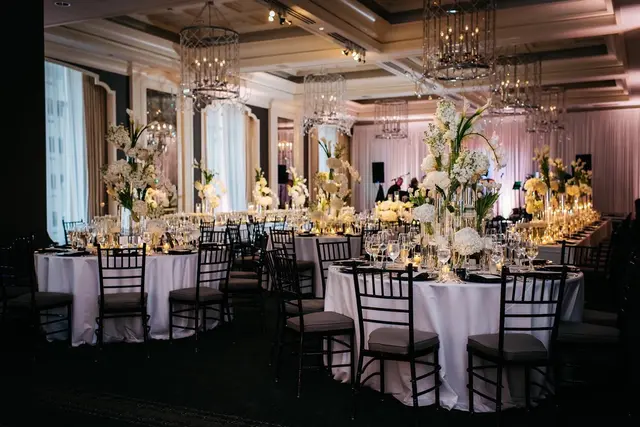
The venue shapes the atmosphere from the moment guests arrive. A grand ballroom can create a sense of occasion, while a contemporary event space may be better suited to a modern brand or an innovative industry gathering.

Capacity is only one consideration. Guest movement, acoustics, accessibility, catering facilities, technical equipment and arrival arrangements all influence how well a space performs during an event.

It is also important to understand the venue’s restrictions and available services before finalizing the design. Knowing where staging, lighting, catering stations and registration areas can be positioned reduces last-minute complications and helps the team use the space effectively.

Designing an Impressive Guest Experience

First impressions begin before guests reach their seats. A clear arrival process, welcoming registration area and well-organized entrance help establish the tone immediately. Signage should be easy to follow, and staff should be prepared to direct guests without unnecessary delays.

Once inside, the environment should feel cohesive. Lighting, table arrangements, floral styling, furniture and branded details should complement one another. A striking focal point, such as a stage backdrop or elegant entrance installation, can give the room a strong visual identity without overwhelming the space.

Comfort matters just as much as appearance. Guests should have sufficient room to move, unobstructed views of the stage and seating arrangements that encourage conversation. When practical details are considered alongside design, the event feels polished from every perspective.

Creating a Memorable Programme

A well-structured programme gives the evening rhythm. Welcome remarks, networking, dinner service, presentations, awards and entertainment should follow a logical sequence that respects the guests’ time and attention.

Allow sufficient time for transitions between programme elements. Speakers should receive clear instructions, presentation materials should be checked in advance and technical rehearsals should be completed wherever possible.

Entertainment should complement the purpose of the evening. Live music, a professional host or a carefully produced awards presentation can enhance the experience when integrated into the schedule. The goal is to maintain energy without making the programme feel rushed or unnecessarily long.

Food, Beverage and Hospitality

Dining is often one of the central parts of a gala. Menus should reflect the formality of the event while accommodating dietary requirements and guest preferences. Service timings should be coordinated with speeches and presentations so that guests can enjoy their meals without missing important moments.

Table settings contribute to the overall presentation. Elegant linens, carefully selected glassware, attractive menus and restrained floral arrangements can elevate the dining experience. These details should work with the room’s wider design rather than compete with it.

Hospitality also includes anticipating guests’ needs. Clear dietary arrangements, attentive service and accessible facilities demonstrate care and professionalism throughout the evening.

Managing the Details Behind the Scenes

A successful gala depends on more than what guests see. Production schedules, supplier coordination, contingency plans, staff briefings and clear communication are essential to keeping the event on track.

An event timeline should identify key responsibilities and deadlines, from venue access and installation to technical checks, guest arrival and the final departure. A designated point of contact for each supplier helps information move quickly when adjustments are needed.

Preparing for potential challenges is equally important. Backup equipment, alternative arrangements for delayed deliveries and a clear response plan can help the team manage unexpected situations calmly.

Measuring the Success of the Event

Once the gala concludes, reviewing the experience provides valuable insight for future events. Feedback from attendees, client comments, programme timings and supplier performance can help identify what worked well and what could be improved.

For corporate occasions, success may also include stronger relationships, improved employee engagement, recognition of achievements or a more positive impression of the organization.

A truly memorable gala combines a clear purpose with beautiful presentation and thoughtful execution. When every detail supports the event’s objectives, the result is an experience that feels professional, engaging and worthy of the occasion.

Elegant Garden Wedding

The Art of an Elegant Garden Wedding

A garden wedding offers a beautiful balance between natural scenery and carefully considered design. Surrounded by lush greenery, blooming flowers and the soft light of the outdoors, couples can create a celebration that feels romantic, welcoming and effortlessly elegant. Unlike a traditional indoor venue, a garden provides a living backdrop that changes with the light and seasons, making every moment feel unique.

At Occasio Productions, a memorable celebration begins with a clear creative vision. Every element, from the ceremony setting to the final reception detail, should work together to tell a story that feels personal to the couple. The goal is not simply to decorate a beautiful space, but to transform it into an experience that guests will remember long after the wedding day.

Choosing the Perfect Garden Setting

The venue establishes the foundation for the entire celebration. A private estate, botanical garden, countryside property or landscaped courtyard can each offer a distinctive atmosphere. When choosing a location, consider the number of guests, the available ceremony and reception spaces, accessibility and the overall aesthetic you want to achieve.

Natural surroundings should guide the design rather than compete with it. A venue filled with mature trees and abundant flowers may need only subtle styling, while a more open lawn could benefit from a floral ceremony installation, carefully positioned furniture and decorative lighting.

It is equally important to consider the practical details. Guests should have comfortable walking routes, sufficient seating and easy access to essential facilities. A well-chosen venue makes the experience enjoyable as well as visually beautiful.

Creating a Cohesive Wedding Design

The most elegant weddings are built around a consistent design direction. Begin with a palette that complements the surroundings, such as ivory, soft blush, sage green or warm neutrals. These colors can be introduced through linens, floral arrangements, stationery, tableware and decorative accents.

Textures add another layer of sophistication. Natural fabrics, delicate glassware, understated metallic details and organic floral arrangements can create visual interest without making the space feel overcrowded.

Ceremony and reception styling should feel connected. Repeating a particular flower, color or material across different areas helps create a seamless transition throughout the celebration. Each space can have its own character while still belonging to the same overall story.

Floral Arrangements That Feel Natural

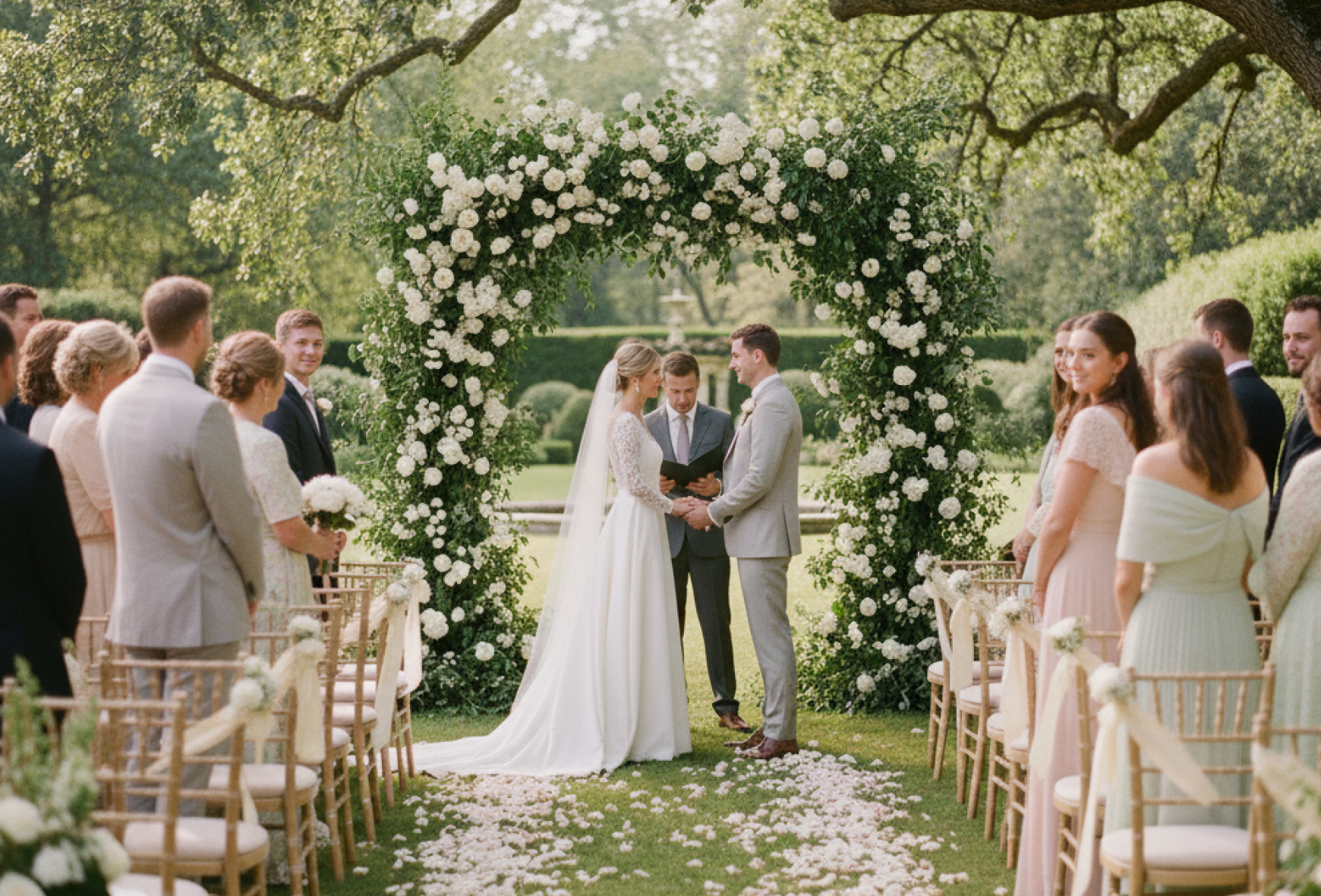
Flowers are often one of the defining features of a garden wedding. Instead of introducing too many competing elements, consider arrangements that complement the landscape and reflect the season. White roses, delicate seasonal blooms and fresh greenery can create a timeless look, while a more colorful palette can introduce personality and energy.

A floral arch or ceremony installation can frame the couple beautifully. At the reception, centerpieces should be proportionate to the tables and arranged so that guests can converse comfortably. Smaller arrangements, scattered bud vases and understated greenery can be just as effective as elaborate displays.

Seasonal availability, temperature and the length of the event should also influence floral choices. Working with an experienced florist helps ensure that the arrangements remain beautiful throughout the celebration.

Lighting the Space After Sunset

Lighting can completely transform an outdoor wedding as daylight fades. Warm string lights, lanterns, candles in suitable holders and carefully positioned accent lighting create an inviting atmosphere without overwhelming the natural surroundings.

Consider how the lighting will look in photographs as well as to guests. Ceremony areas may need gentle illumination, while dining spaces benefit from a warm, comfortable glow. Pathways, entrances and steps should be clearly lit for safety.

A thoughtful lighting plan allows the celebration to evolve naturally from a bright afternoon ceremony into an intimate evening reception.

Planning for Comfort and Changing Weather

Outdoor celebrations require careful preparation. Weather conditions can change, so it is wise to have a practical backup plan that maintains the intended atmosphere. A nearby indoor space or elegant covered structure can provide reassurance without compromising the design.

Consider shade for daytime ceremonies, hydration stations during warm weather and suitable heating or blankets when evenings become cooler. Clear communication about parking, footwear, access routes and event timings also helps guests feel prepared.

The finest planning is often invisible. When logistics are handled in advance, couples and guests can focus on enjoying the celebration instead of worrying about unexpected details.

Bringing Every Detail Together

An elegant garden wedding is created through the relationship between the setting, the styling and the experience of the guests. Beautiful flowers and thoughtful décor make a strong first impression, but comfortable seating, well-timed service and smooth coordination are equally important.

When the creative direction is clear and every decision supports it, the result feels effortless rather than overproduced. From the first arrival to the final farewell, each moment contributes to the atmosphere.

A garden wedding is ultimately a celebration of connection, beauty and individuality. With thoughtful planning and a cohesive design, an outdoor setting can become the perfect backdrop for a day that feels deeply personal and truly unforgettable.