

Creating an Unforgettable Corporate Gala
A corporate gala is an opportunity to bring people together, celebrate achievements and create a lasting impression of an organization. Whether it is an annual awards evening, a company anniversary, a fundraising dinner or an exclusive client reception, a well-planned gala combines professional hospitality with an atmosphere of sophistication.
The most successful events do more than look impressive. They communicate a clear message, make guests feel valued and provide a natural setting for conversation, recognition and connection. Achieving this balance requires a thoughtful creative direction, careful organization and attention to every stage of the guest experience.
Defining the Purpose and Vision
Before choosing a venue or discussing décor, establish what the event needs to accomplish. A celebration recognizing employee achievements may require a different atmosphere from a formal dinner designed to strengthen client relationships. Understanding the audience and purpose makes it easier to develop an event concept that feels appropriate and distinctive.
Consider the desired tone, the number of attendees, the event schedule and the key moments that should stand out. A clear brief helps guide decisions about the venue, stage design, entertainment, dining arrangements and overall budget.
The visual identity should support the organization’s values without making the event feel like a conventional business meeting. Thoughtful branding, considered color choices and a consistent design language can create a polished environment that still feels welcoming.
Selecting the Right Venue
The venue shapes the atmosphere from the moment guests arrive. A grand ballroom can create a sense of occasion, while a contemporary event space may be better suited to a modern brand or an innovative industry gathering.
Capacity is only one consideration. Guest movement, acoustics, accessibility, catering facilities, technical equipment and arrival arrangements all influence how well a space performs during an event.
It is also important to understand the venue’s restrictions and available services before finalizing the design. Knowing where staging, lighting, catering stations and registration areas can be positioned reduces last-minute complications and helps the team use the space effectively.
Designing an Impressive Guest Experience
First impressions begin before guests reach their seats. A clear arrival process, welcoming registration area and well-organized entrance help establish the tone immediately. Signage should be easy to follow, and staff should be prepared to direct guests without unnecessary delays.
Once inside, the environment should feel cohesive. Lighting, table arrangements, floral styling, furniture and branded details should complement one another. A striking focal point, such as a stage backdrop or elegant entrance installation, can give the room a strong visual identity without overwhelming the space.
Comfort matters just as much as appearance. Guests should have sufficient room to move, unobstructed views of the stage and seating arrangements that encourage conversation. When practical details are considered alongside design, the event feels polished from every perspective.
Creating a Memorable Programme
A well-structured programme gives the evening rhythm. Welcome remarks, networking, dinner service, presentations, awards and entertainment should follow a logical sequence that respects the guests’ time and attention.
Allow sufficient time for transitions between programme elements. Speakers should receive clear instructions, presentation materials should be checked in advance and technical rehearsals should be completed wherever possible.
Entertainment should complement the purpose of the evening. Live music, a professional host or a carefully produced awards presentation can enhance the experience when integrated into the schedule. The goal is to maintain energy without making the programme feel rushed or unnecessarily long.
Food, Beverage and Hospitality
Dining is often one of the central parts of a gala. Menus should reflect the formality of the event while accommodating dietary requirements and guest preferences. Service timings should be coordinated with speeches and presentations so that guests can enjoy their meals without missing important moments.
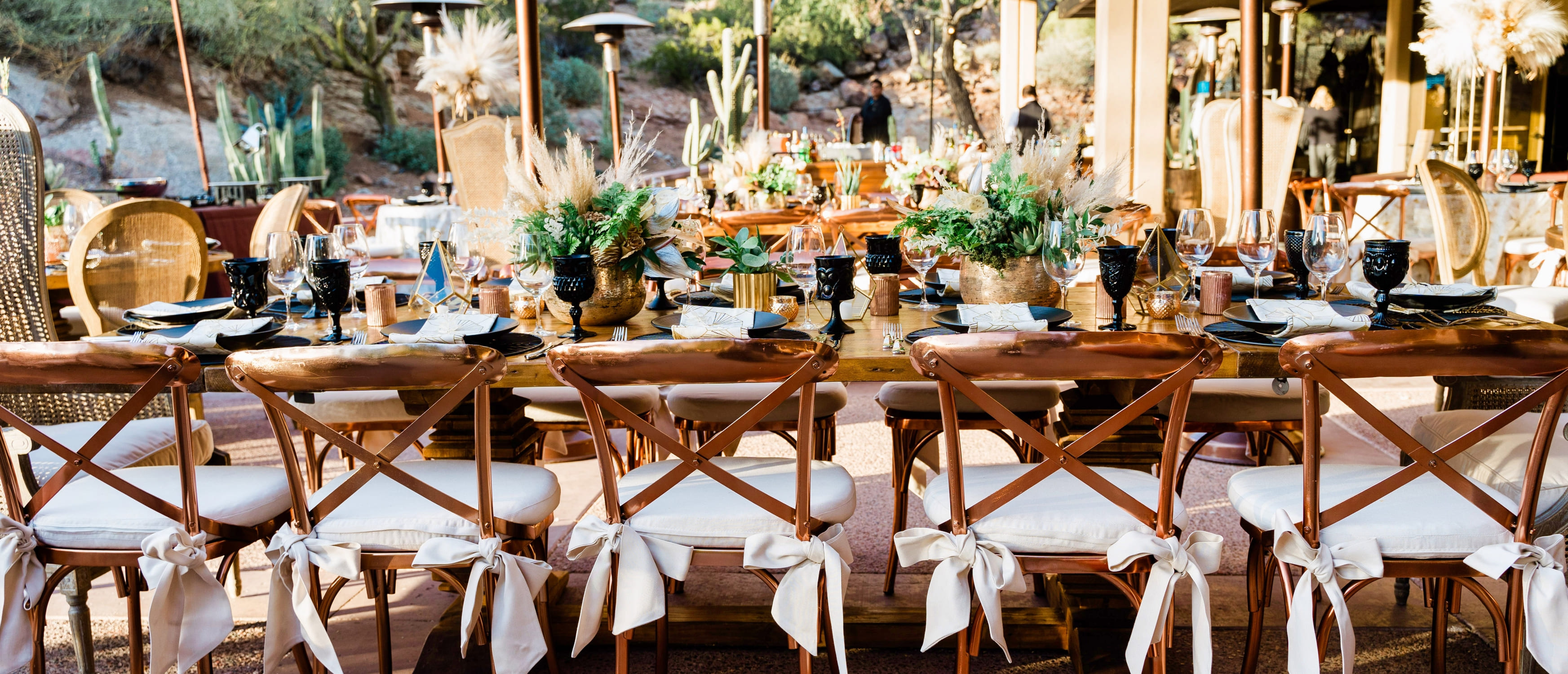
Table settings contribute to the overall presentation. Elegant linens, carefully selected glassware, attractive menus and restrained floral arrangements can elevate the dining experience. These details should work with the room’s wider design rather than compete with it.
Hospitality also includes anticipating guests’ needs. Clear dietary arrangements, attentive service and accessible facilities demonstrate care and professionalism throughout the evening.
Managing the Details Behind the Scenes
A successful gala depends on more than what guests see. Production schedules, supplier coordination, contingency plans, staff briefings and clear communication are essential to keeping the event on track.
An event timeline should identify key responsibilities and deadlines, from venue access and installation to technical checks, guest arrival and the final departure. A designated point of contact for each supplier helps information move quickly when adjustments are needed.
Preparing for potential challenges is equally important. Backup equipment, alternative arrangements for delayed deliveries and a clear response plan can help the team manage unexpected situations calmly.
Measuring the Success of the Event
Once the gala concludes, reviewing the experience provides valuable insight for future events. Feedback from attendees, client comments, programme timings and supplier performance can help identify what worked well and what could be improved.
For corporate occasions, success may also include stronger relationships, improved employee engagement, recognition of achievements or a more positive impression of the organization.
A truly memorable gala combines a clear purpose with beautiful presentation and thoughtful execution. When every detail supports the event’s objectives, the result is an experience that feels professional, engaging and worthy of the occasion.
